Women in Robotics you need to know about 2026

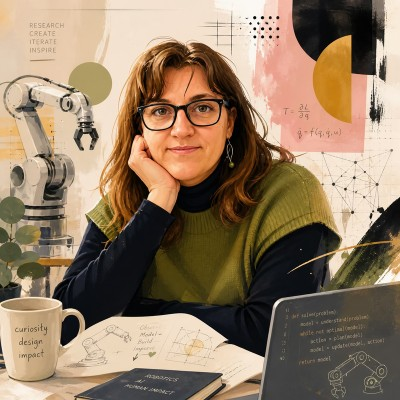
Patricia Alves-Oliveira
Patricia Alves-Oliveira is an Assistant Professor of Robotics at the University of Michigan, developing embodied social AI and human-centered robots for healthcare, creativity, and real-world human-robot interaction.

Yasemin Bekiroglu
Yasemin Bekiroglu is a Chalmers robotics researcher developing data-efficient learning for mobile manipulation, helping robots use vision, touch, force, and proprioception to adapt in unstructured environments.
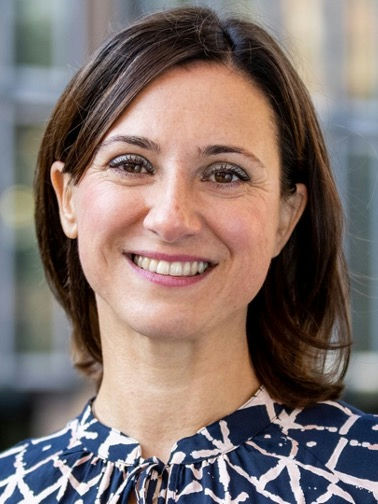
Júlia Borràs Sol
Júlia Borràs Sol is an IRI vice-director and robotics scientist advancing manipulation of cloth, soft materials, and other deformable objects for recycling, healthcare, and real-world automation.
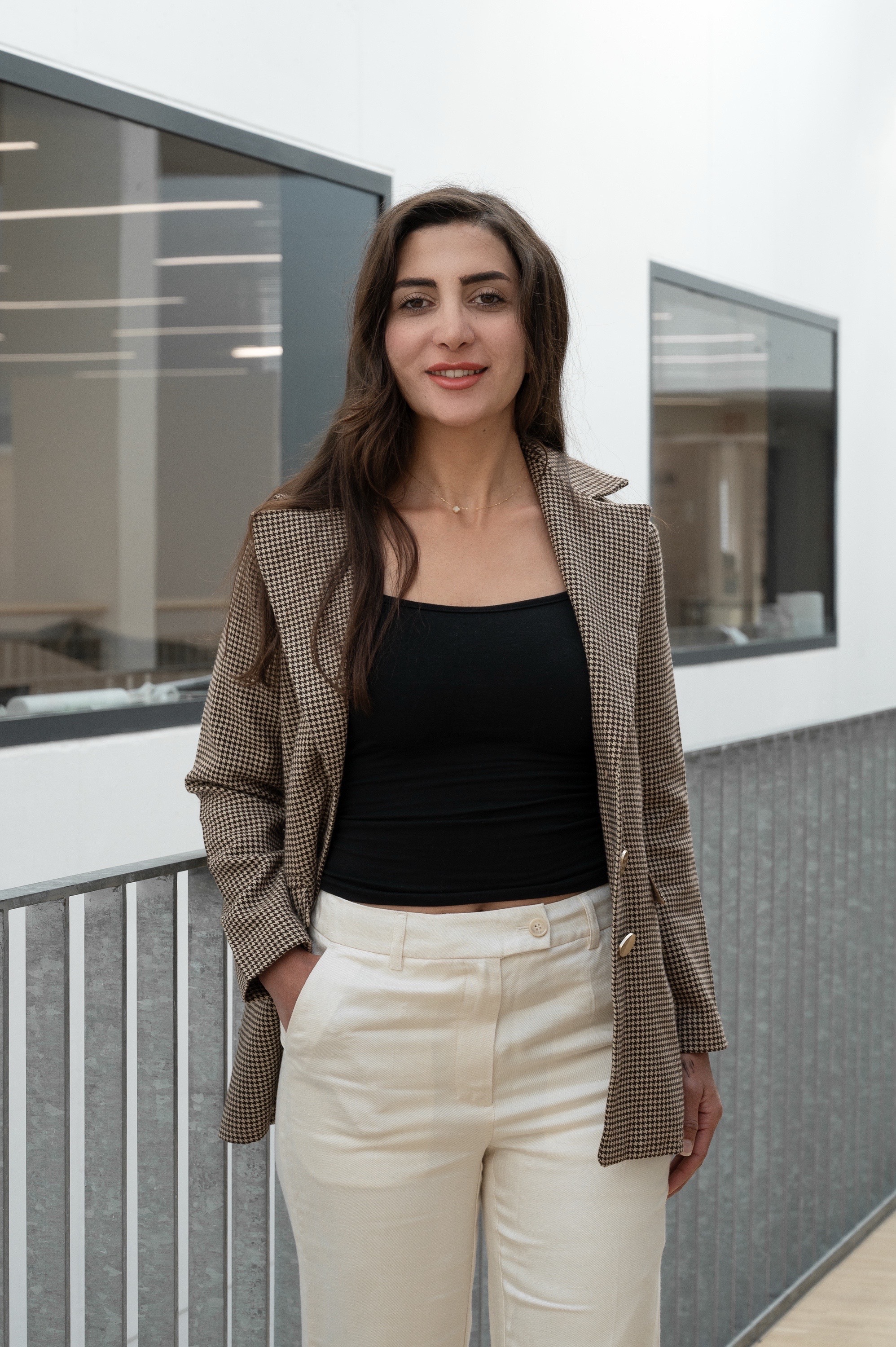
Raffaella Carloni
Raffaella Carloni is a University of Groningen robotics professor developing compliant robots, soft actuators, and prosthetic technologies designed to interact more safely and naturally with people.

Bhai Nhuraisha Deplomo
Dr. Bhai Nhuraisha Deplomo, PhD, is a Philippine robotics educator, engineer, and Erovoutika founder developing locally made robots and hands-on AI, electronics, and automation programs for students and schools.
Farzaneh Eskandari
Farzaneh Eskandari is an EPFL researcher developing vision-guided and force-aware robotic timber assembly to make sustainable, material-efficient construction systems more practical for housing.
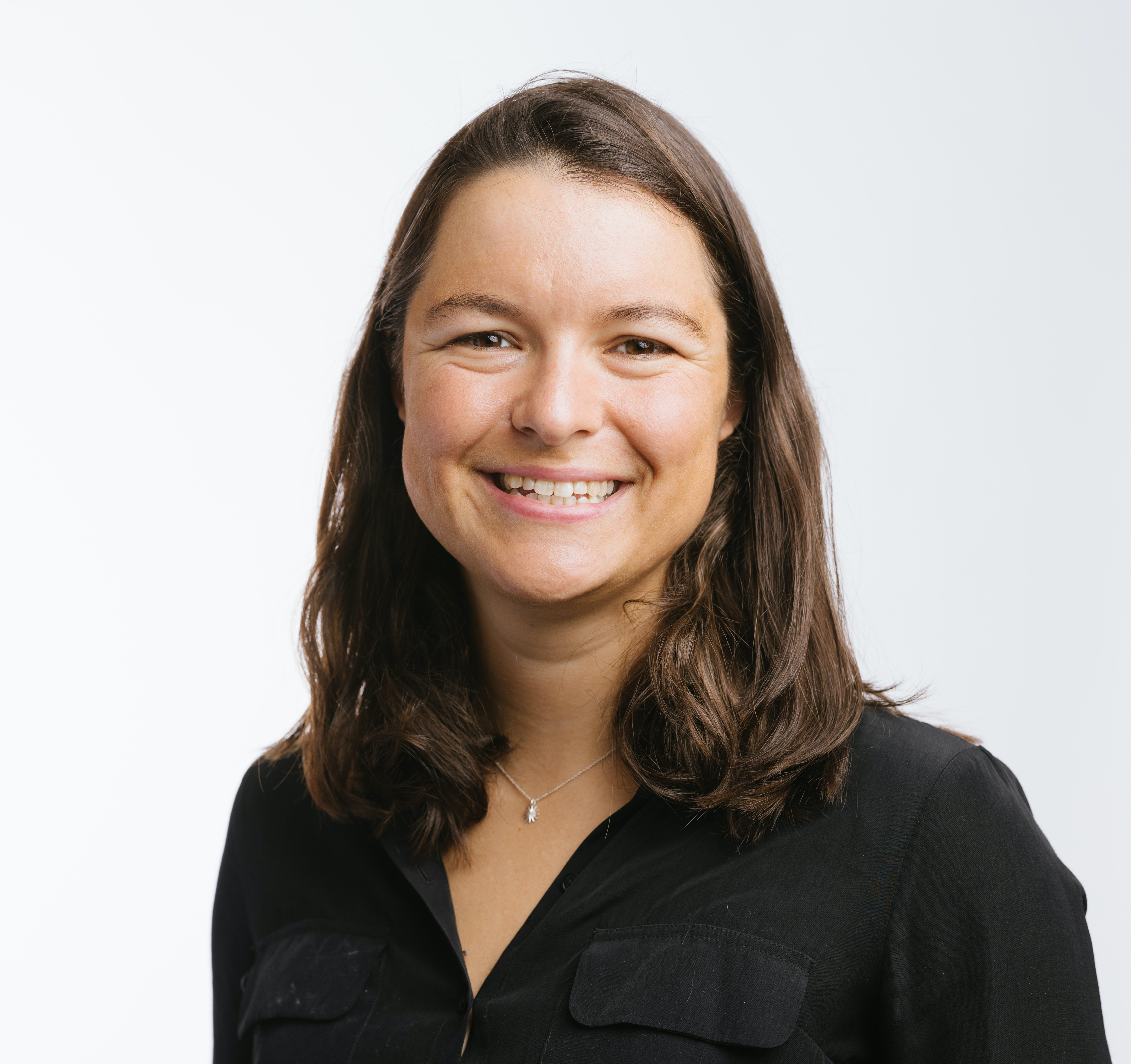
Chelsea Finn
Chelsea Finn is a Stanford professor and Physical Intelligence co-founder developing robot-learning methods that help general-purpose robots acquire skills, adapt quickly, and operate reliably across new tasks.
Peggy Johnson
Peggy Johnson is CEO of Agility Robotics, leading the commercialization of Digit and the expansion of AI-powered humanoid robots into real logistics and manufacturing work.
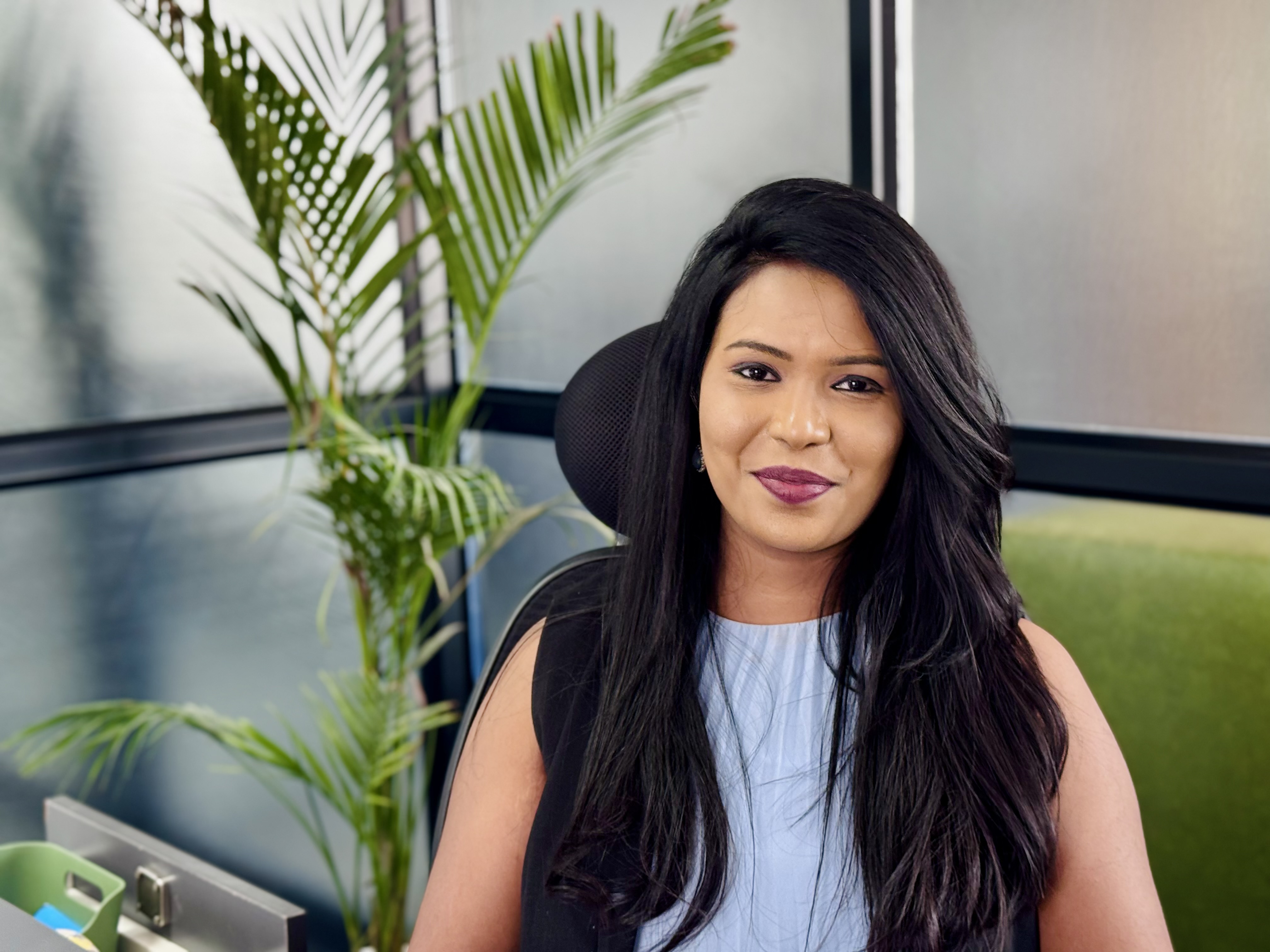
Sumalini Jyothi
Sumalini Jyothi is co-founder and CEO of ASHWAA Engineering, building cost-effective industrial robotics and automation systems for manufacturers across automotive, medical, aerospace, and other sectors.

Jorlyn Le Garrec
Jorlyn Le Garrec is a robotics engineer focused on getting robots working in the real world. She built agricultural robots at Rotate8 and is now joining Polymath Robotics, which develops core autonomy software for off-highway machines.

Nina Mahmoudian
Nina Mahmoudian is a Purdue professor developing persistent autonomous robots for harsh environments, including low-cost underwater vehicles, long-duration missions, and multi-robot coordination.
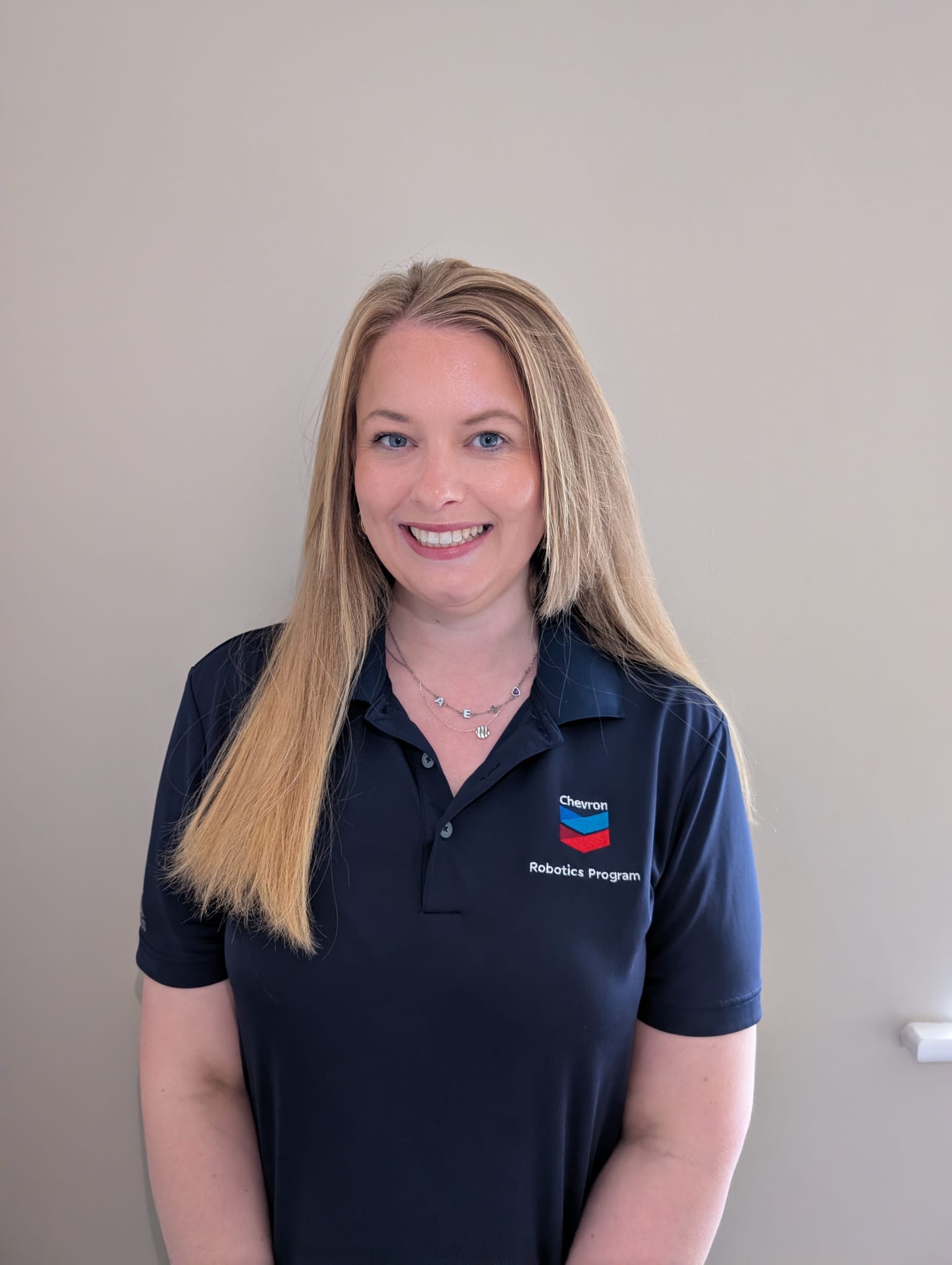
Emma McLellan Taylor
Emma McLellan Taylor leads practical deployment of robotics and AI at Chevron, helping move emerging technology into real-world use in the energy industry.
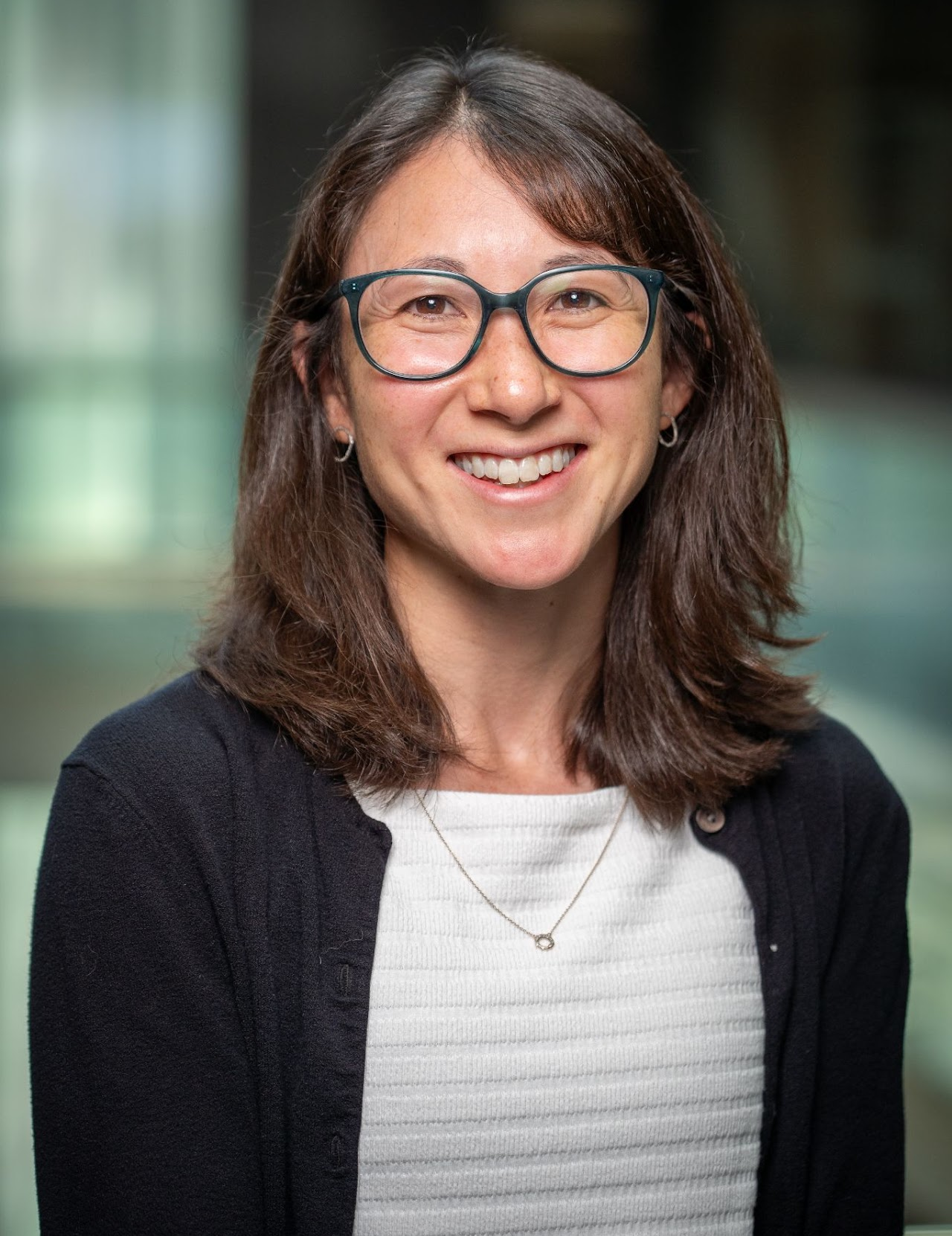
Tania Morimoto
Tania Morimoto is a UC San Diego professor developing soft and flexible medical robots, including an autonomous growing robot designed to navigate blood vessels and treat ischemic stroke.

Anne Osdoit
Anne Osdoit is the founding CEO of Moon Surgical, leading development and commercialization of the FDA-cleared Maestro robotic surgical assistant for minimally invasive procedures.
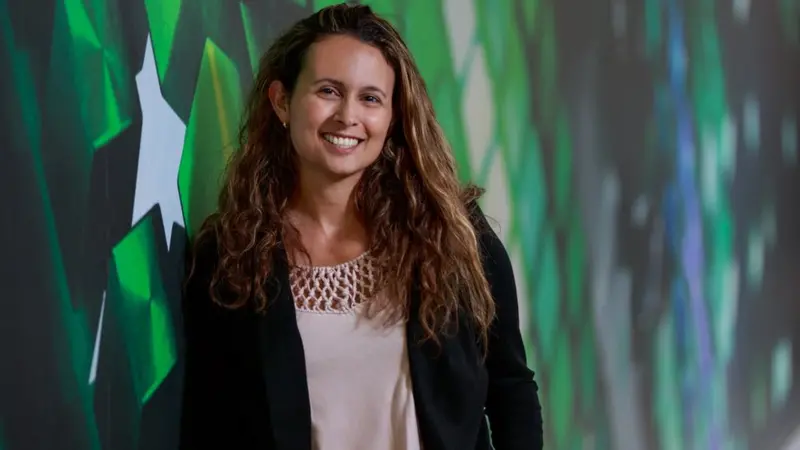
Carolina Parada
Carolina Parada is VP and Head of Robotics at Google DeepMind, leading Gemini Robotics and efforts to give robots general-purpose intelligence, dexterity, whole-body control, and the ability to work together.
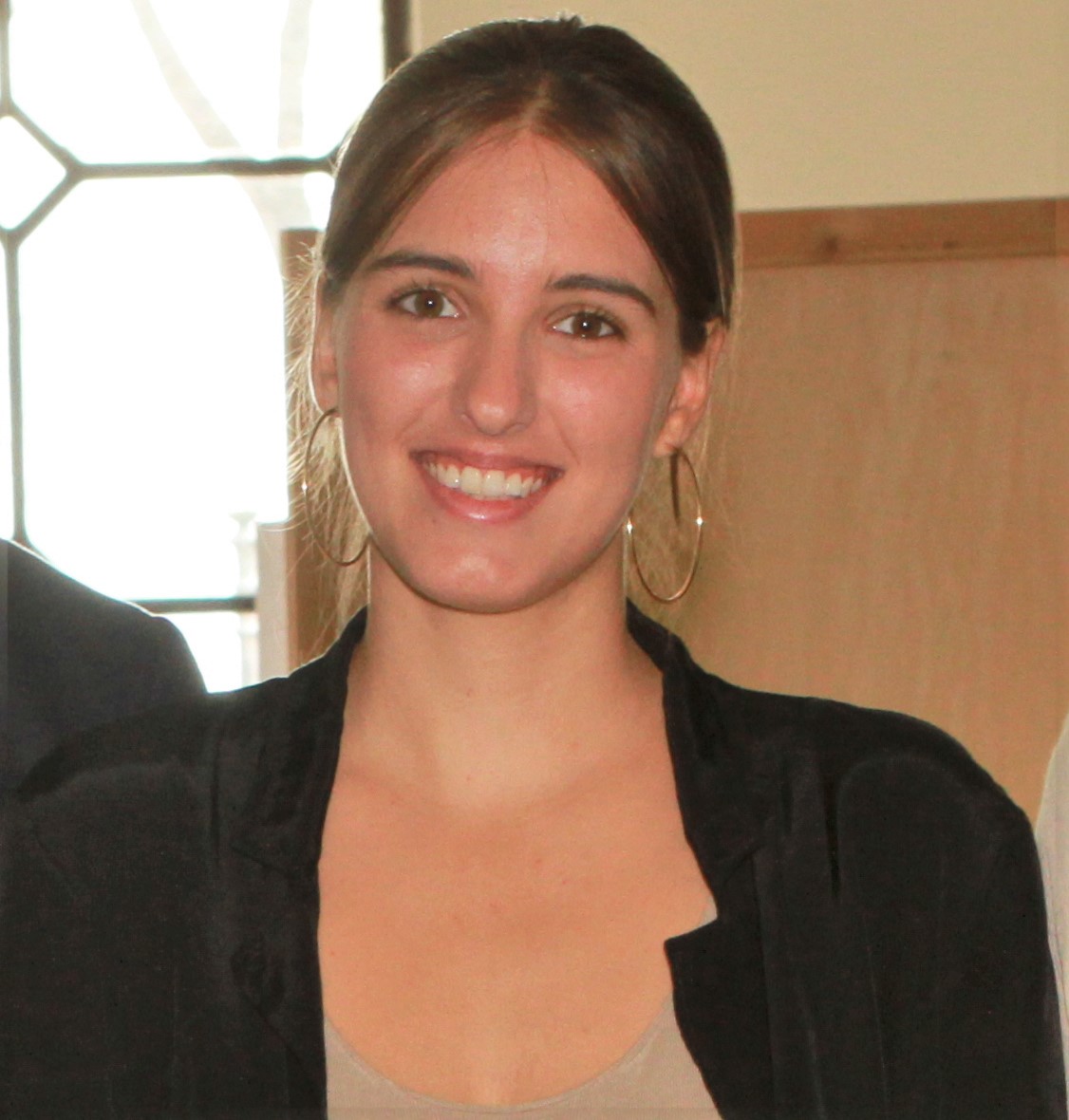
Maria Pozzi
Maria Pozzi is a University of Siena robotics researcher advancing soft robotic hands, grasping, haptics, and human-robot collaboration so robots can manipulate objects and work more naturally with people.

Esther Rayssiguie
Esther Rayssiguie is an AI Robotics Engineer at Naval Group, where she works on autonomous and multi-robot systems, including tools for simulating and testing maritime robots.

Rania Rayyes
Rania Rayyes is a junior professor at KIT, leading the AI and Robotics (AIR) group. Her research aims to enable adaptive, interactive, and explainable robots to operate reliably in dynamic industrial and human-centered environments.
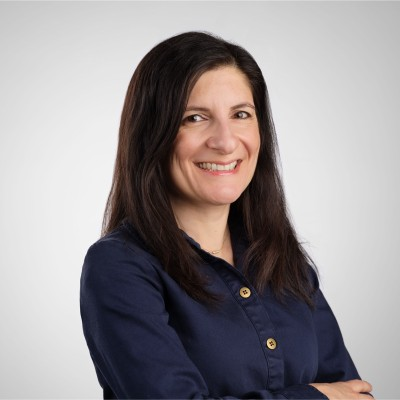
Sandra Skaff
Sandra Skaff leads robotics ecosystem development at NVIDIA, connecting startups and partners with the computing, simulation, AI, and collaboration infrastructure needed to build and deploy robots.
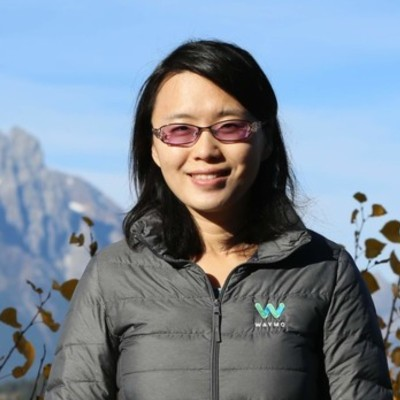
Chen Wu
Chen Wu is Waymo’s head of perception, leading teams that turn machine-learning research into real-time systems that help autonomous vehicles understand roads, road users, and complex driving environments.